How to Stay Warm in Bed in Winter: Heated Mattress Pads and Bed Heating Systems
A cold bed can be uncomfortable even when the room is fine. Compare heated mattress pads, heated toppers and water-based bed heating, plus practical winter sleep tips.
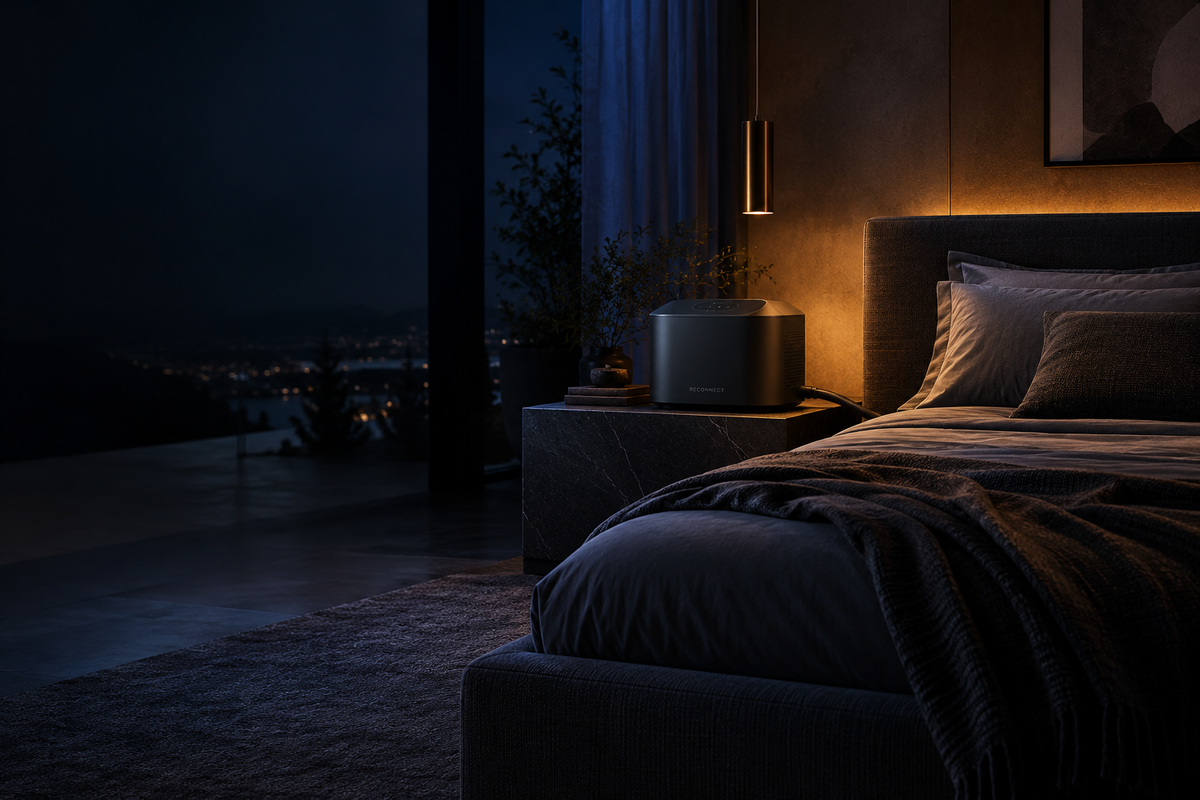
When the weather turns cold, the problem is the opposite of summer: the room may be cool enough for sleep, but the bed itself can feel uncomfortably cold when you first get in.
Short version. Warm the bed, not necessarily the whole house. A heated mattress pad, heated mattress topper or active bed heating system can make the sleep surface more comfortable before and during the night.
Why a cold bed feels so uncomfortable
Your body produces heat, but a cold mattress, sheets and bedding can absorb some of that warmth when you first get into bed. In colder climates, this can make the first part of the night feel especially uncomfortable.
That is common in places with long winters, such as Alaska, Minnesota, North Dakota and other northern states, but it can happen anywhere during colder months.
How to stay warm in bed in winter
1. Pre-warm the bed before bedtime
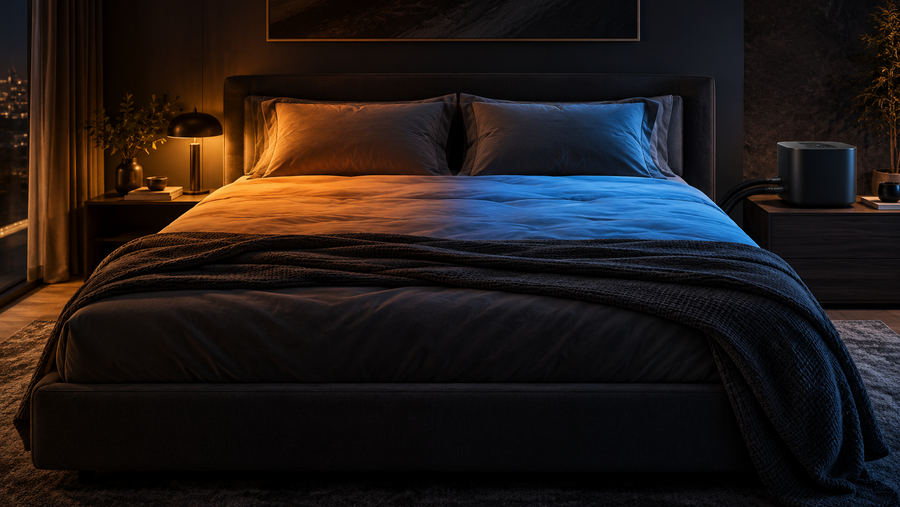
One of the easiest ways to make a cold bed feel more inviting is to warm the sleep surface before you get in. With an active temperature-controlled system, start the heating cycle in advance rather than waiting until you are already under the covers.
2. Layer bedding instead of overheating the room
Use several lighter layers rather than relying on one very heavy blanket. That gives you more control if you warm up later in the night.
3. Keep cold air from reaching the bed
Check for drafts around windows and doors, especially if the bed is close to an exterior wall. A cold room does not always need to become a hot room, but eliminating strong drafts can make a noticeable difference.
4. Keep feet and hands comfortable
Cold extremities can make the whole body feel colder. Warm socks, appropriate sleepwear and a comfortable room baseline can help before you add active bed heating.
Heated mattress pad vs heated mattress topper vs water-based bed heating
These terms are often used interchangeably in search, but the products can work very differently.
| Type | How it warms | What to consider |
|---|---|---|
| Electric heated mattress pad | Electrical heating elements warm the pad | Simple and common, but controls and zone options vary |
| Heated mattress topper | Usually electric heating built into a thicker topper | Can change the feel of the mattress more noticeably |
| Water-based bed heating system | Temperature-controlled water circulates through a pad | Can provide both heating and cooling from the same system |
How RECONNECT heats the bed
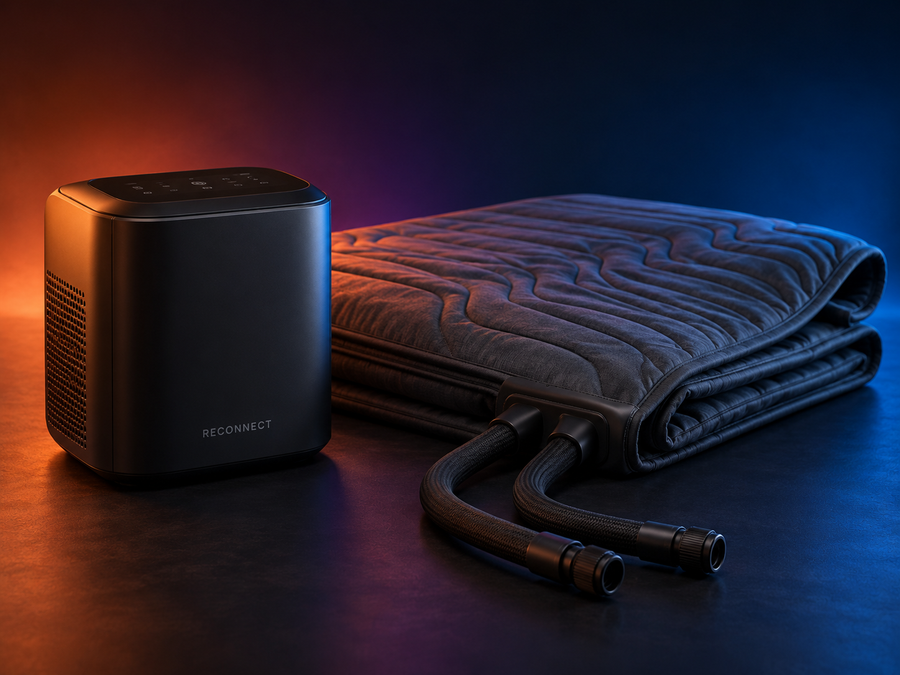
RECONNECT circulates temperature-controlled water through a low-profile Mattress Pad beneath the fitted sheet. Heating water settings run from 77 to 131°F (25 to 55°C).
Those figures are water settings, not guaranteed mattress-surface temperatures. What you feel depends on the room, mattress, bedding and chosen setting.
Why dual-zone heating can matter
Two people sharing a bed rarely want exactly the same temperature. One person may feel cold while the other is already comfortable.
RECONNECT is dual-zone on both Queen and King. Each side can have its own temperature setting or be switched off independently. Both sides must operate in the same overall mode, so both heating or both cooling.
Can a bed heating system replace home heating?
No. A heated bed can improve comfort at the sleep surface, but it is not a substitute for keeping the bedroom and home at a safe temperature.
Think of bed heating as targeted comfort. The room still needs appropriate heating for the conditions, especially in very cold climates.
How warm should you make the bed?
There is no single perfect setting. Start lower than the maximum and adjust gradually until the bed feels comfortable.
More heat is not automatically better. The goal is a comfortable sleep surface, not the highest possible number.
Can you preheat the bed and then lower the temperature?
Yes. A common winter approach is to warm the bed before getting in, then use a more moderate setting during sleep.
RECONNECT also includes Smart Rhythms, shown as Auto Sleep on the Control Unit, which follows a built-in nine-hour temperature programme. It does not use sleep tracking or sensors.
What about couples who sleep at different temperatures?
If one person wants more warmth than the other, dual-zone control can be more practical than raising the room thermostat for everyone.
For more on sharing a bed with different preferences, read our guide to sleeping at different temperatures.
A practical cold-weather bedtime routine
- Keep the room at a safe, comfortable baseline.
- Use layered bedding that can be adjusted during the night.
- Start bed heating before bedtime so the surface is comfortable when you get in.
- Choose a moderate temperature and increase it gradually if needed.
- Use each side independently if you share the bed.
- Follow the product safety guidance and keep the Control Unit on a firm, dry, ventilated surface.
The advantage of a system that can also cool
A traditional heated mattress pad solves one seasonal problem. A cooling and heating mattress pad can stay useful when the weather changes.
That is where a temperature-controlled bed system becomes more versatile: heating in winter, cooling in summer, and smaller adjustments in between.
The bottom line
If your main winter complaint is that the bed feels cold, targeted bed heating can make the sleep surface more comfortable without turning the bedroom into a sauna.
Choose the technology based on what you want: simple heating only, or a system that can heat and cool throughout the year.
Next: learn how RECONNECT works, read Safety & Care, or see our guide to different temperature preferences for couples.